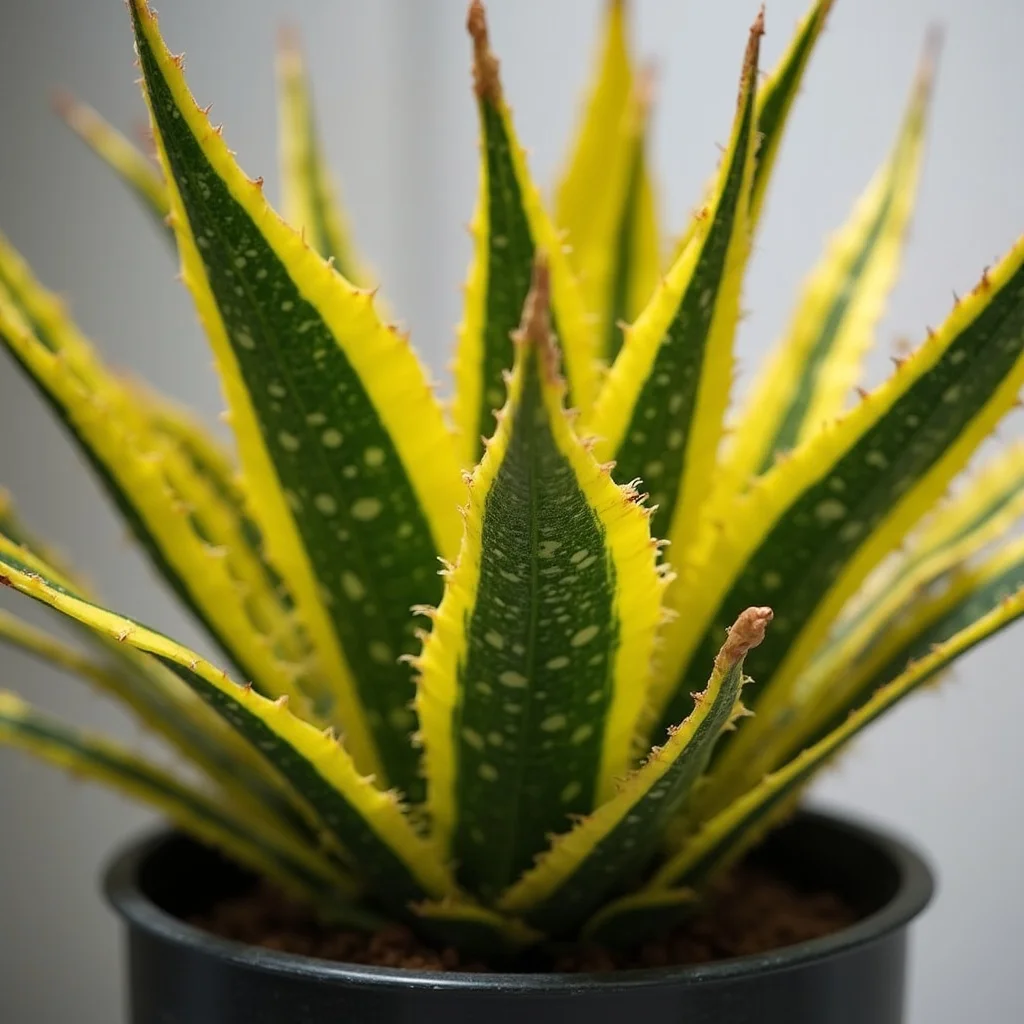
Preventing Brown Leaves on Your ZZ Plant
When ZZ plant leaves turn yellow and crispy brown, the plant likely needs more water or humidity. Conversely, mushy brown and yellow foliage signals overwatering and potential root rot. Properly trimming these damaged leaves helps maintain aesthetic appeal while directing energy toward healthy new growth. Addressing these specific causes is vital to saving the plant from further decline.
Identify Causes of Yellow ZZ Plant Leaves
Overwatering is the primary cause of yellow leaves on a ZZ plant, often signaling that the soil remains too wet for this succulent-like species. To address this, adjust watering frequency to match the plant's storage capacity and ensure the soil stays porous. Evaluate the current schedule, light exposure, and environmental temperature to trigger new, healthy growth while preventing future yellowing or browning of the foliage.
Underwatering Causes Yellow Leaves and Limp Stems
Underwatering causes yellow leaves on ZZ plants, though this issue is far less common than overwatering. When stems appear limp, wrinkled, or wilting, the rhizomes have likely depleted their stored moisture, signaling that the plant is beginning to dehydrate. Identifying this specific symptom helps distinguish underwatering from the more frequent root rot caused by excess moisture. Recognizing these signs allows for timely adjustments to restore the plant's health effectively.
Common Causes of Brown Tips on ZZ Plants
Brown tips on ZZ plants most commonly result from overwatering, especially when appearing on new growth. Other potential causes include underwatering, excess heat or light, overfertilizing, or low humidity leading to dehydration. While yellowing often signals root rot from too much water, brown tips specifically indicate stress from these environmental factors affecting the plant's health.
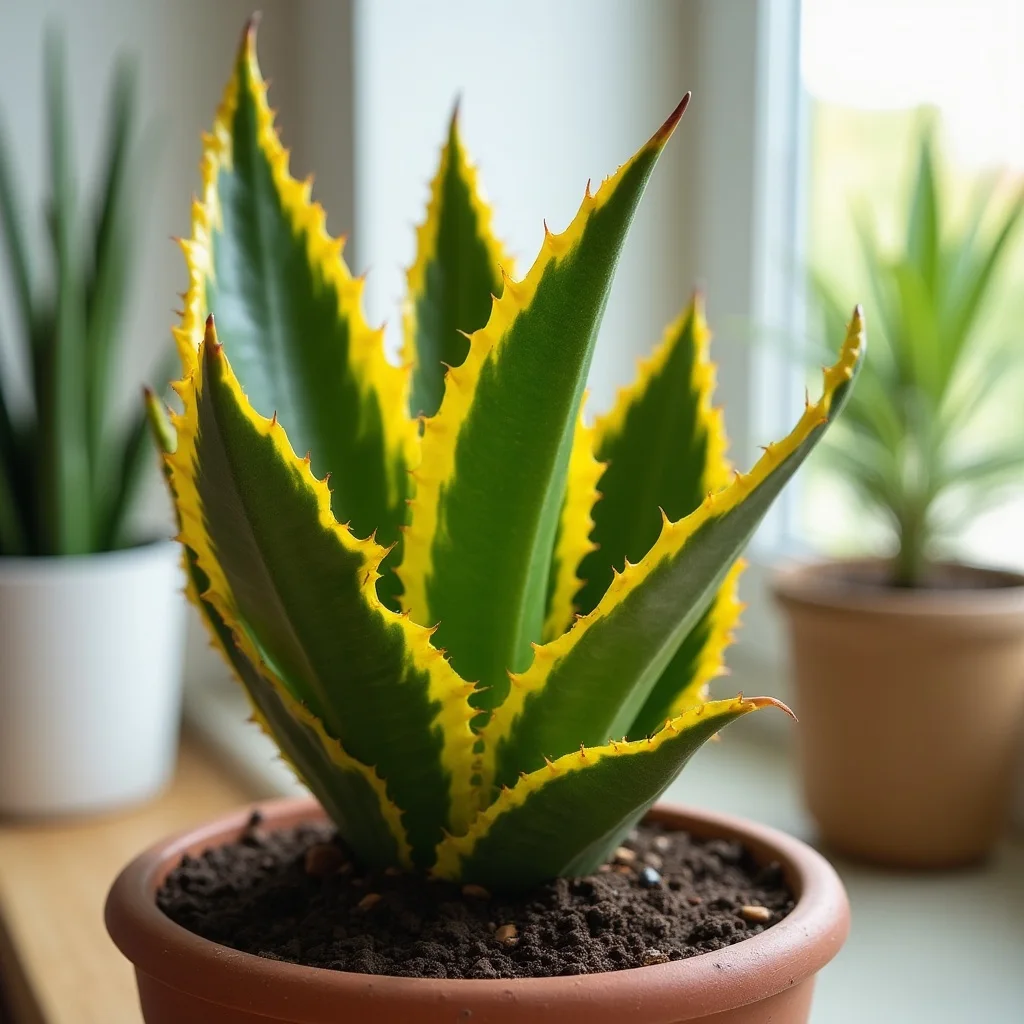
Common Causes of Yellow Leaves and Brown Tips
Yellow leaves on ZZ plants most often signal overwatering, which is the primary issue by a significant margin. The plant stores moisture in its rhizomes, so frequent watering is unnecessary. When soil remains wet, roots lose oxygen and begin to rot. Before assuming other causes like underwatering or heat, check the soil moisture and review the watering schedule to confirm if the ground has been staying wet for too long.
Tips to help your ZZ plant recover from yellow leaves
When yellow leaves appear on a ZZ plant, the issue often stems from overwatering or root rot rather than neglect. Lower leaves turning yellow-brown with crispy edges usually signal the plant is conserving water due to wet soil. To fix this, remove the plant from its pot and inspect the roots. Trim away any rotten sections using clean tools, then repot only the healthy, firm parts into fresh, dry, well-draining soil to restore the plant's health.