Common Causes for Peace Lily Tip Browning
Peace lilies with brown leaf tips usually suffer from low humidity or underwatering, as these plants originate from humid tropical forests. Indoor heating or air conditioning often dries the air, sapping moisture from the foliage and causing the tips to turn brown. Other frequent causes include overwatering, direct sunlight exposure, high temperatures, and fluoride or chlorine in tap water. To address this, allow the soil to dry between waterings, switch to filtered water, and dilute fertilizer to half strength.
Causes and Solutions for Brown Peace Lily Tips
Peace lily tips turn brown primarily due to underwatering, low humidity, over-fertilization, or chemicals in tap water. To restore the plant, recreate its native environment by misting leaves to boost humidity and maintaining daytime temperatures between 68°F and 85°F. Water only after the soil surface dries completely, then trim damaged tips with sharp pruners. Flushing the soil often resolves issues caused by fertilizer buildup or chemical exposure.
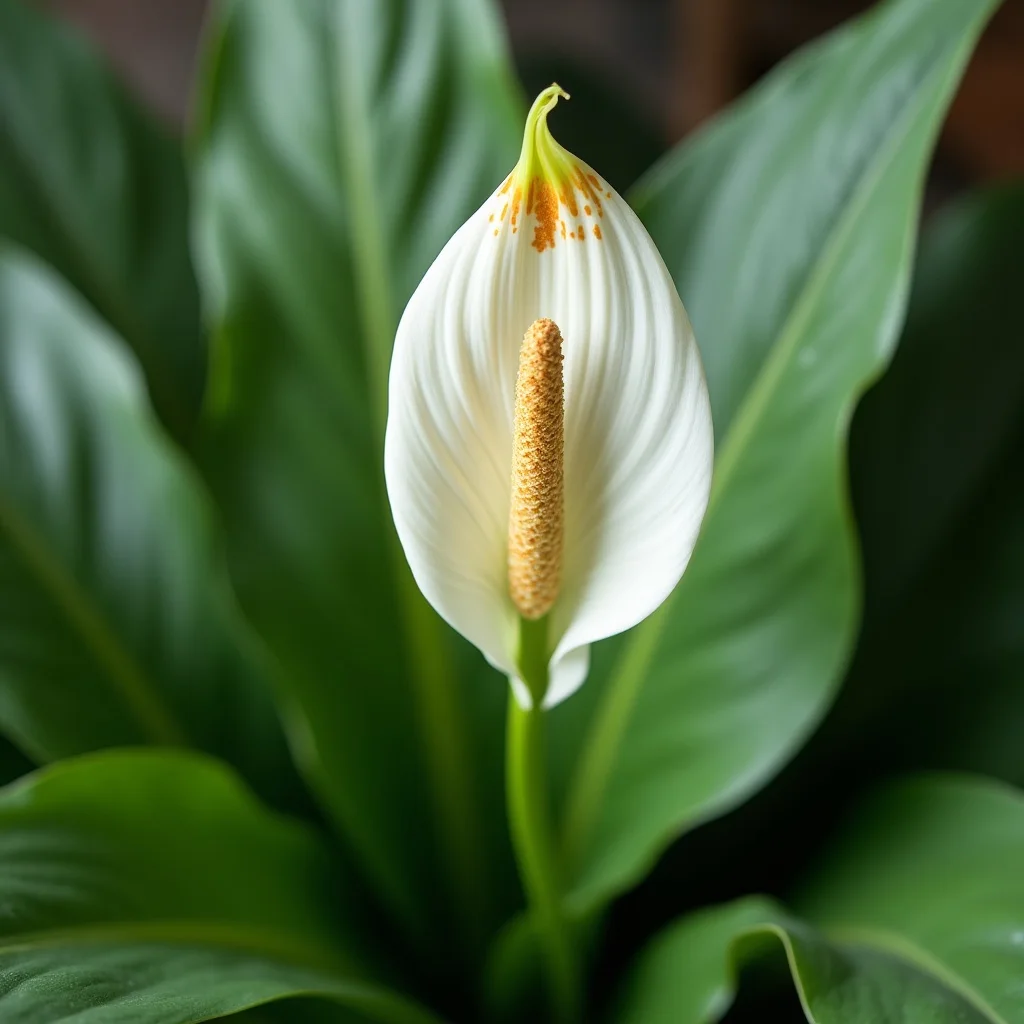
Causes of Brown Tips on Peace Lily Leaves
Peace lily leaves turn brown at the tips due to too much or too little water, insufficient humidity, excessive sunlight, overfeeding, or temperature extremes. These brown tips often serve as a distress signal, meaning pinpointing the specific cause is the essential first step toward plant revival. Addressing the issue requires adjusting watering habits, improving air moisture, and ensuring light exposure remains bright but indirect.
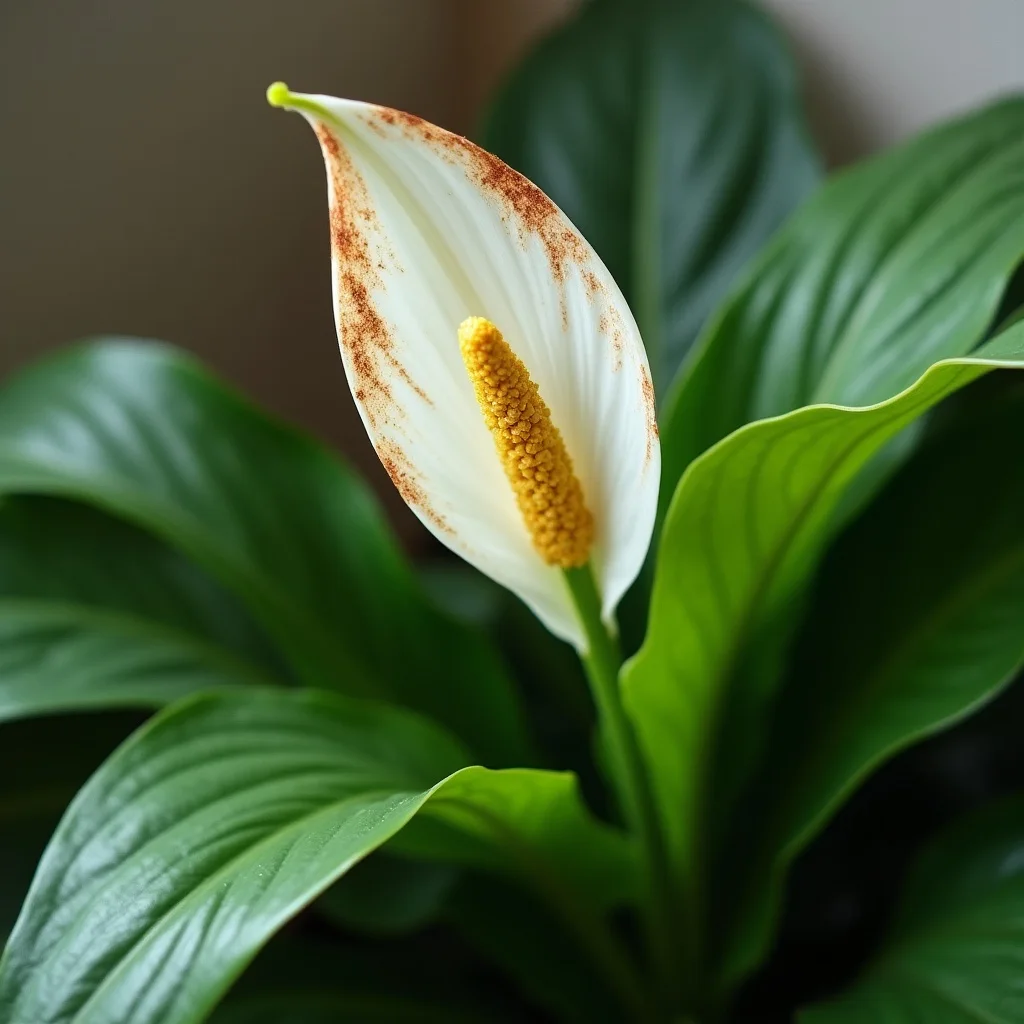
Peace Lily Brown Tips Signal Water and Humidity Needs
Peace lily brown tips usually signal a need for adjusted water quality and consistent moisture levels. New growth often stays smoother and greener when owners switch to filtered or distilled water to reduce salt buildup. Maintaining steady humidity and avoiding fertilizer excess helps stabilize the plant's condition. These adjustments address the most common causes of tip browning without requiring complex interventions or specialized equipment.