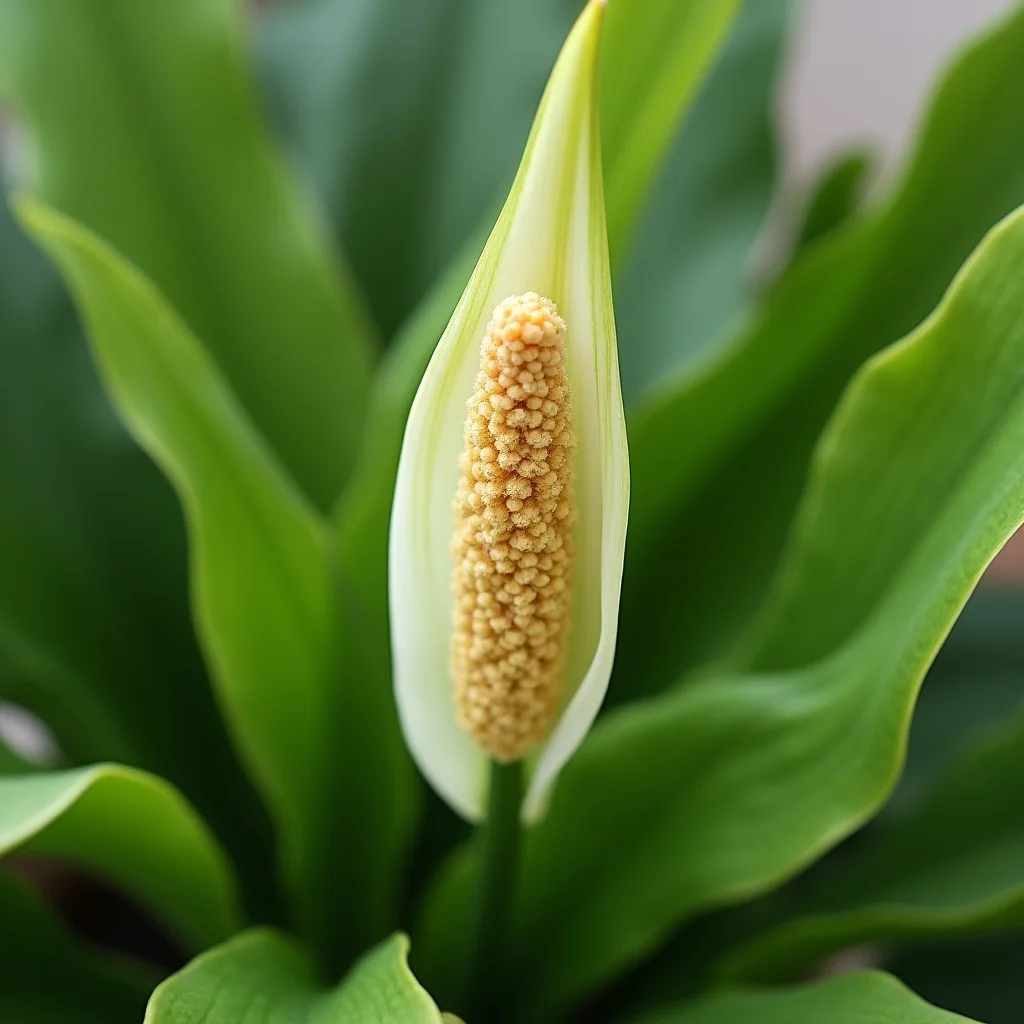
Trim Brown Tips Safely With Sharp Pruners
To fix a peace lily with brown tips, mist the leaves to increase humidity, place the plant in bright indirect light, and give the soil a thorough watering. Trimming the damaged tips with a sharp pair of pruners is also recommended to maintain a fresh appearance. This specific action helps the plant focus energy on producing new white blooms without causing further harm to the foliage or growth patterns.
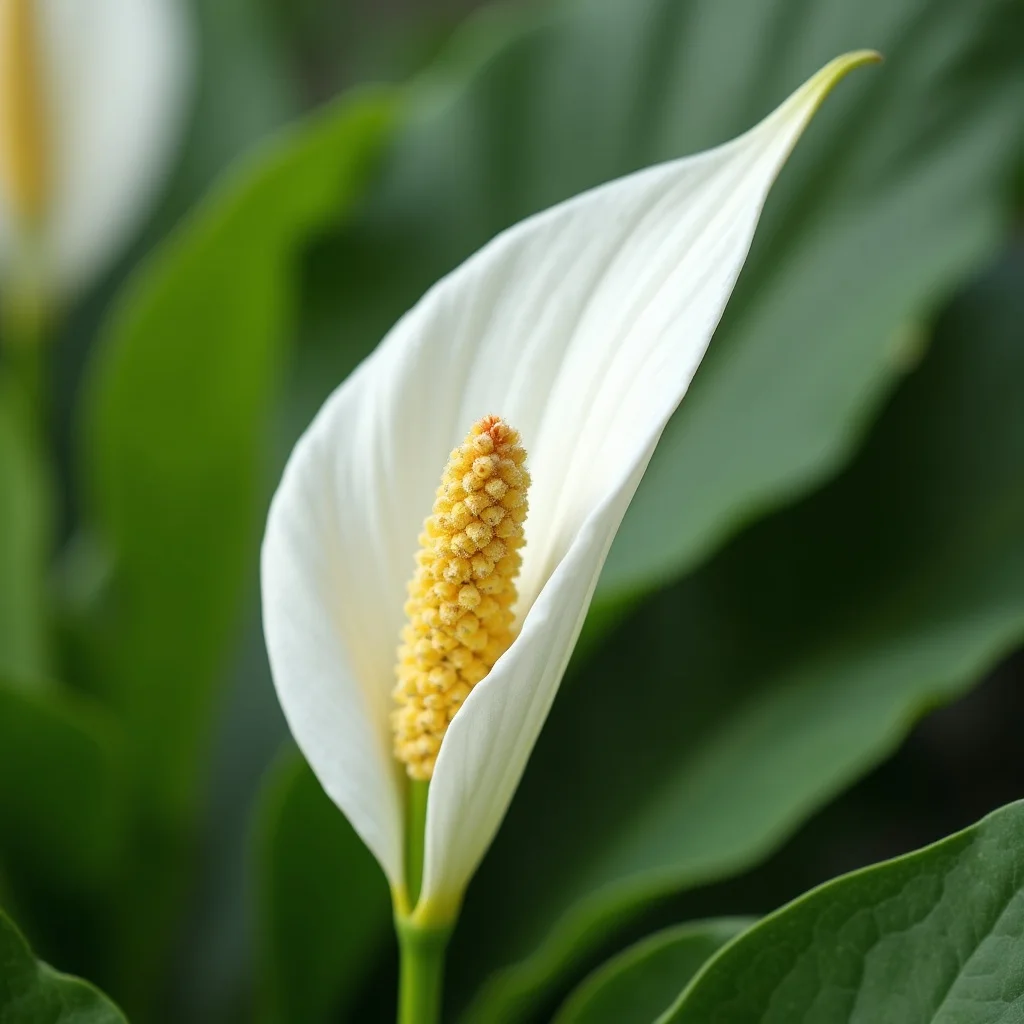
Trim Brown Tips Using Sharp, Sterilized Scissors
When trimming peace lily brown tips, always use sharp, sterilized scissors to prevent spreading bacteria. Alcohol wipes work well for cleaning the blades beforehand. The most critical rule is to follow the natural shape of the leaf during the cut. This specific procedure helps avoid damaging healthy tissue while removing only the affected areas. Proper sterilization and careful cutting support the plant's recovery alongside other care adjustments.
Trim Brown Tips Safely Without Damaging Your Plant
Trimming brown tips from a peace lily is essential for maintaining the plant's health and appearance. Careful removal prevents leaves from looking misshapen or ragged, while removing entire stems at the base avoids a sparse look. Proper care involves recreating native humidity, keeping daytime temperatures between 68°F and 85°F, and watering only when the soil surface is dry. These steps help ensure the plant continues to thrive and beautify your home effectively.
Trim Brown Tips to Stimulate New Growth
To revive a peace lily's appearance, trim brown leaf tips using sharp pruners while following the natural leaf shape. Pruning at the base of the plant, ideally at an angle, creates space for new growth to emerge. Always disinfect tools between cuts to prevent spreading bacterial or fungal infections. This process helps restore the plant's healthy look by removing faded or damaged foliage that hinders fresh leaf development.
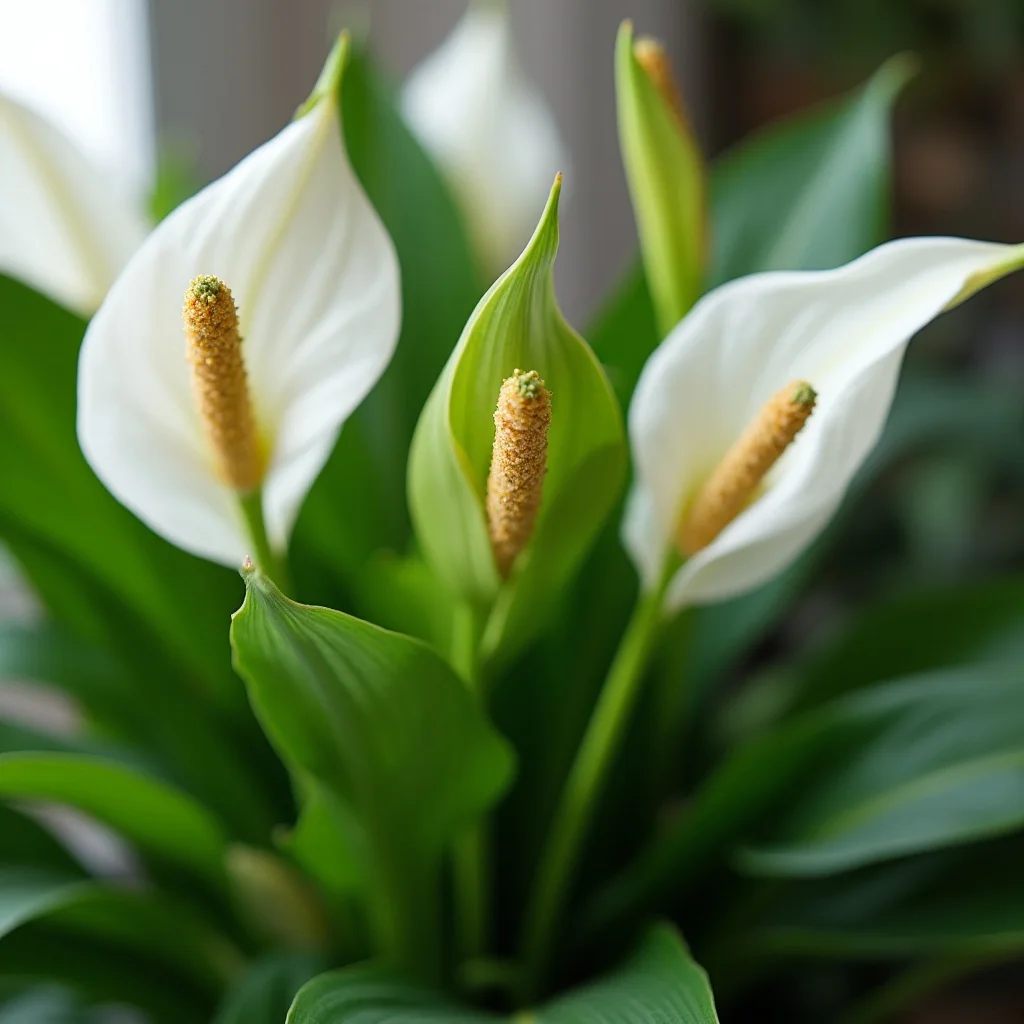
Trim brown tips with two angled cuts
To maintain a peace lily's health, trim brown tips using two angled cuts with sharp pruners. This method preserves the natural leaf shape instead of creating an abrupt flat end. For leaves damaged only at the tips, remove just the dead portion while keeping the healthy section intact. Avoid removing more than one-third of the plant at once to prevent stressing the foliage.