Why Mini Monstera Leaves Turn Yellow
Sudden yellowing in Monstera leaves usually signals a rapid shift in watering habits or temperature conditions. Overwatering remains the primary culprit when soil stays wet for several consecutive days. Cold drafts, relocation to darker areas, or abrupt direct sunlight exposure can also trigger this quick discoloration. Identifying these specific care routine adjustments helps owners address the root cause effectively.
Common Causes for Mini Monstera Leaves Turning Yellow
When Monstera leaves turn yellow, the primary causes usually involve overwatering or underwatering. Excess moisture often leads to root rot, causing drooping foliage, while insufficient water results in dry, spotted leaves. Other contributing factors include low light, poor drainage, temperature stress, overfertilization, and potassium deficiency. Identifying the specific condition helps determine the necessary care adjustments for the plant.
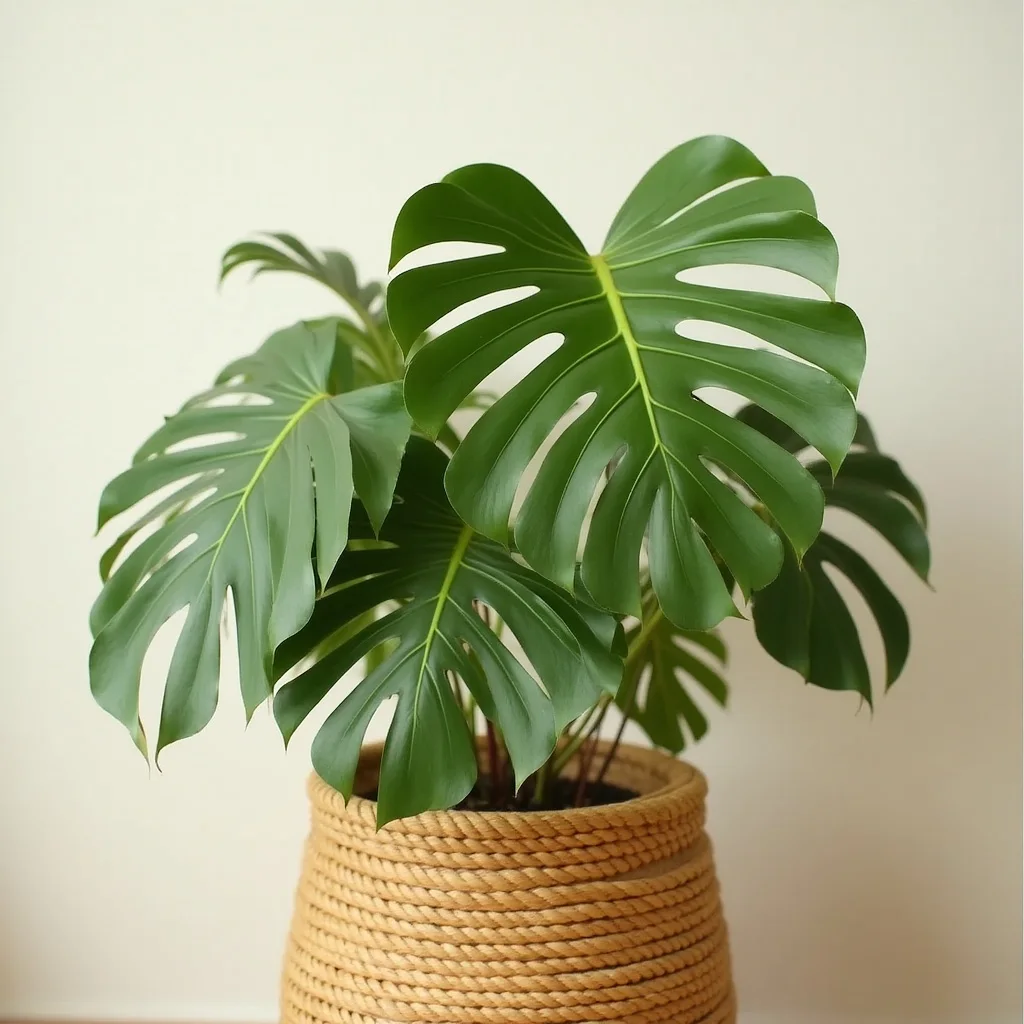
Here’s Why Your Monstera Is Turning Yellow (13 Causes)
When Monstera leaves turn yellow, the primary causes usually involve overwatering or insufficient light. Overwatering combined with slow-draining soils creates consistently damp conditions that promote root rot, leading to a dying appearance. If yellowing appears alongside crispy, brown tips and edges, the issue may instead stem from too much light, underwatering, low humidity, overfeeding, or heat stress. Applying the relevant fix and adopting preventative measures can stop future yellowing.
Common Causes of Yellowing Mini Monstera Leaves
Yellowing leaves on a Monstera deliciosa often signal overwatering, which is the most frequent cause of this issue. When soil remains consistently soggy, roots may suffocate or develop rot, directly leading to yellow foliage. Other potential triggers include underwatering, low light, nutrient imbalances, natural aging, or exposure to cold drafts. To address the problem, move the plant to a sunnier location and ensure the top soil layer dries out thoroughly before watering again.