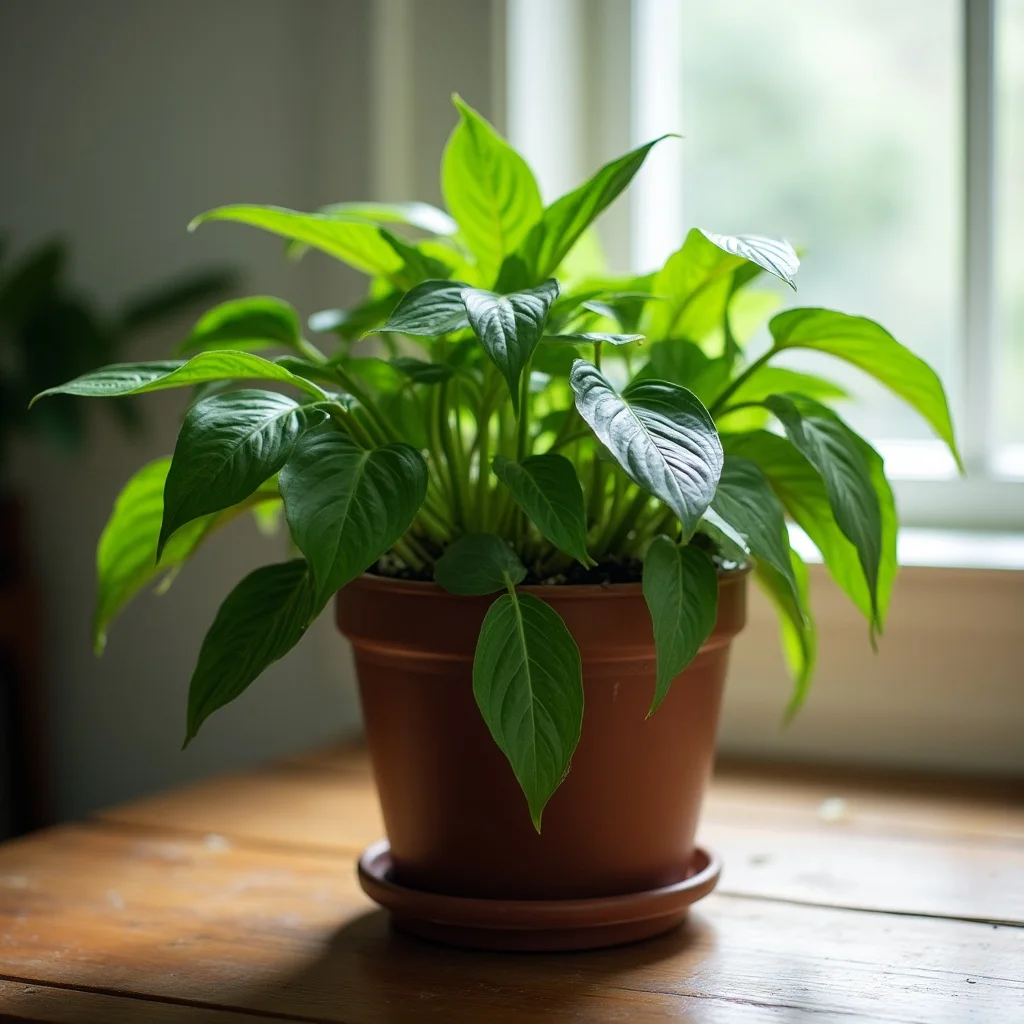
Signs Your Pothos Needs Repotting for Healthy Growth
Pothos plants generally require repotting every one to two years or when roots emerge from drainage holes. Specific indicators include stunted growth, dried-out soil, and the plant becoming root-bound within its current container. Recognizing these signs helps maintain the plant's health and vigor. While yellowing leaves are sometimes mentioned, the primary focus remains on root development and growth patterns to determine the correct time for repotting.
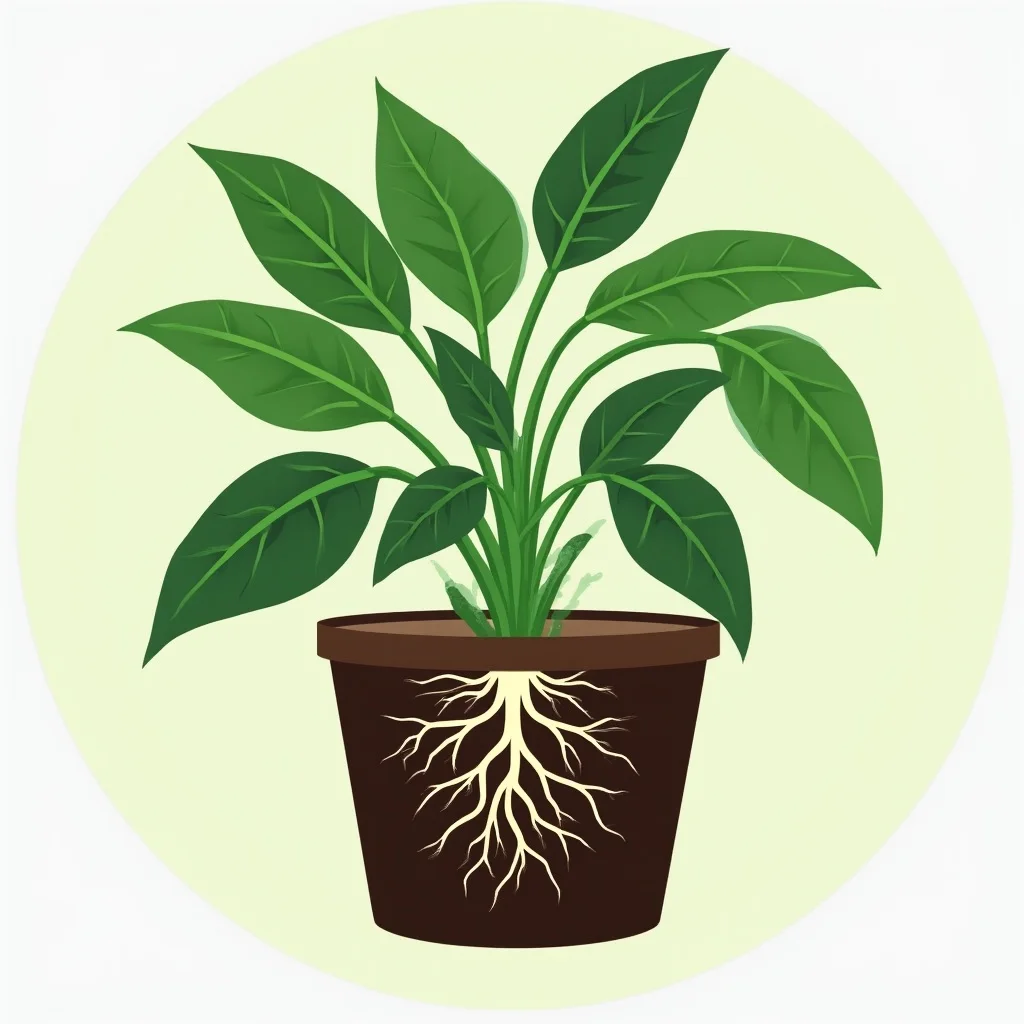
Signs Your Pothos Needs Repotting
When roots emerge from the bottom drainage holes, your Pothos has likely outgrown its current container and requires more space to thrive. This specific sign of root bound conditions often accompanies a lack of new growth or drainage issues, indicating the plant needs fresh soil. Recognizing these indicators helps determine the right time to move the vine into a larger pot to encourage bushier trailing growth and prevent stress.
Recognize Root-Bound Pothos Before Repotting
Pothos plants often thrive when mildly root-bound, yet repotting too early can stress the roots and hinder overall growth. Inspect the root system closely; if they are tightly packed, circling the container bottom, or poking through drainage holes, the plant has likely outgrown its space. Conversely, loose roots indicate the current pot remains suitable for a short while longer.
Signs It's Time To Repot Your Golden Pothos
You will know it is time to repot your golden pothos when roots emerge from the drainage holes or the pot sides. Other indicators include slowed growth, wilting despite regular watering, or soil that dries out unusually fast. Spring and early summer offer ideal conditions since the plant is in its active growing phase. Avoid repotting simply because time has passed if the roots remain contained and the plant grows vigorously. Disturbing a healthy root system provides no benefit and may cause unnecessary stress.
When to Repot Your Pothos Plant
Pothos plants generally require repotting every one to two years, though some may need it sooner if roots emerge from drainage holes. The optimal time for this procedure is usually spring or early summer, when the plant enters its active growing season and possesses the most energy to settle into fresh soil. Choosing a pot that is one size larger helps improve drainage, nutrient availability, and airflow for the plant.
Recognize Root Bound Signs and Growth Changes
Recognizing root bound signs involves checking for roots emerging from drainage holes or soil pulling away from the pot edges. These visual cues often appear alongside slowed growth or unusually fast drying soil, indicating the plant needs more space. For best results, upgrade to a container two to three inches larger than the current root ball. Timing matters, as repotting during spring or early summer supports active growth cycles effectively.