Repot Your Orchid After Blooming in Spring or Summer
The optimal moment to repot an orchid occurs immediately after flowering concludes, typically in early spring or late summer. You should wait until all flowers have fallen off and new growth becomes visible before moving the plant. This timing allows the orchid to recover quickly and settle into fresh media without stress. Signs like roots growing out of the pot or a declining potting medium also indicate it is time for a change.
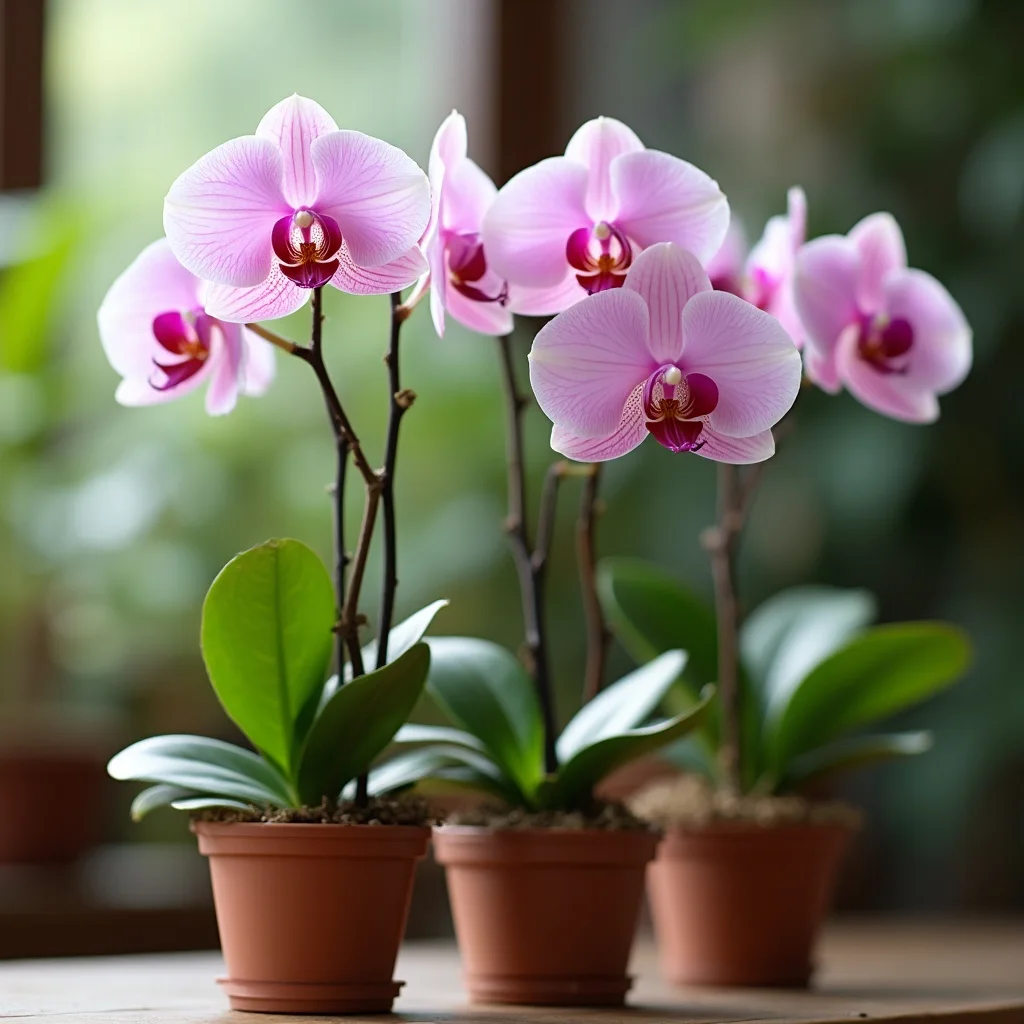
Signs It Is Time to Repot Your Orchid
The optimal moment to repot an orchid occurs immediately after the plant finishes blooming, as it enters a new growth cycle. During this period, fresh roots develop and establish themselves more quickly within the potting mix. However, repotting may also be necessary at any time if roots densely fill the container, curl around themselves, or poke out of drainage holes. Additional indicators include a noticeable decrease in blooms or yellowing and browning of the leaves.
Repotting Orchids at the Wrong Time of Year
Orchids generally require repotting every one to three years, though annual re-potting is common when specific signs appear. You should consider moving the plant if you notice yellow foliage, a lack of growth or blooms, dead or damaged roots, or if the roots begin growing over the edge of the pot. This timing allows the orchid to establish itself in fresh media before entering a more active growth phase.
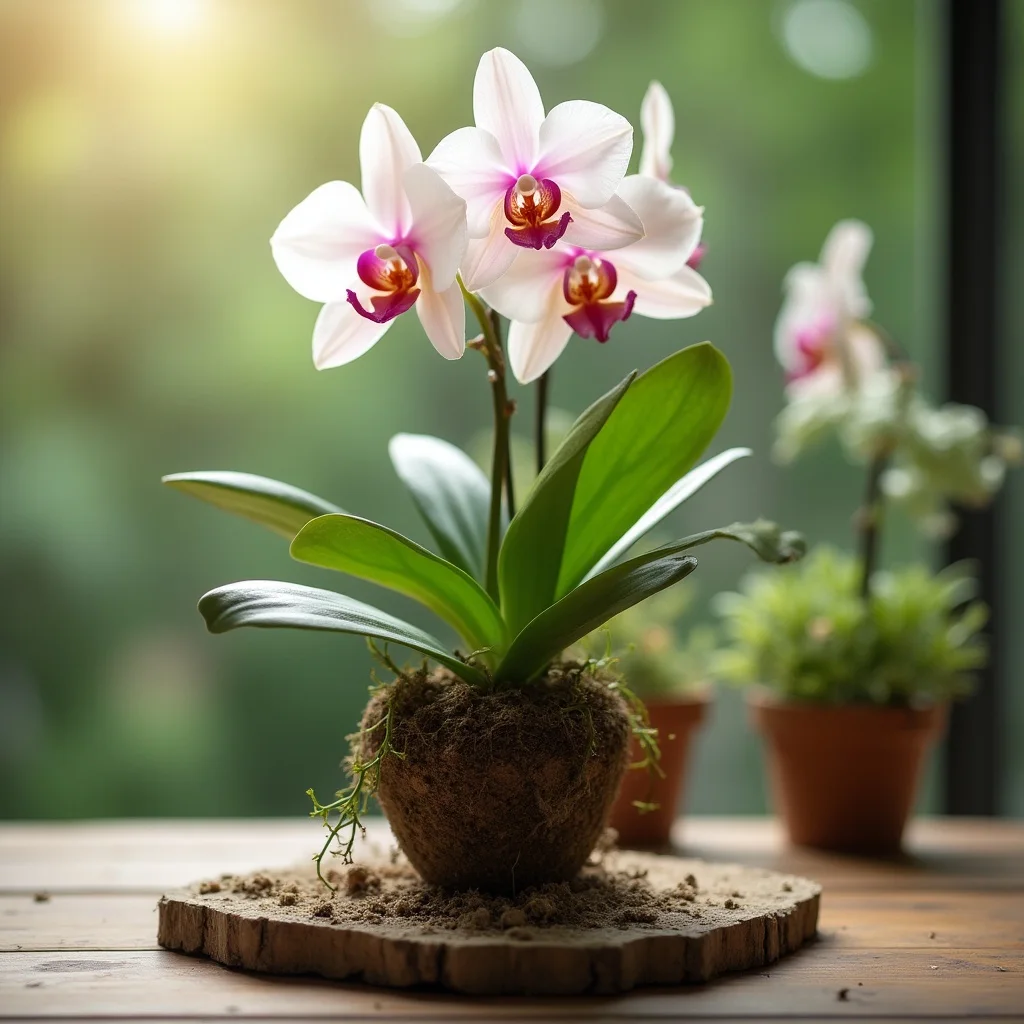
Clear signs your orchid needs repotting
Signs that an orchid needs repotting include roots emerging from drainage holes, circling the pot interior, yellowing leaves, or a decline in blooms. When the potting mix breaks down or the plant appears unstable due to crowded roots, it has likely outgrown its current container. Repotting at this specific moment reduces plant stress and allows for smooth adaptation to a new size.
Signs Your Orchid Needs Repotting
Timing for repotting depends on bloom cycles and plant health. Spring-blooming varieties generally require attention between March and June, while winter bloomers are best moved from July through September. Avoid disturbing the plant during active flowering to prevent shock and premature bloom loss. Regular intervals of two to three years often maintain vitality, though specific signs like wilting or root rot may demand immediate action regardless of the season.
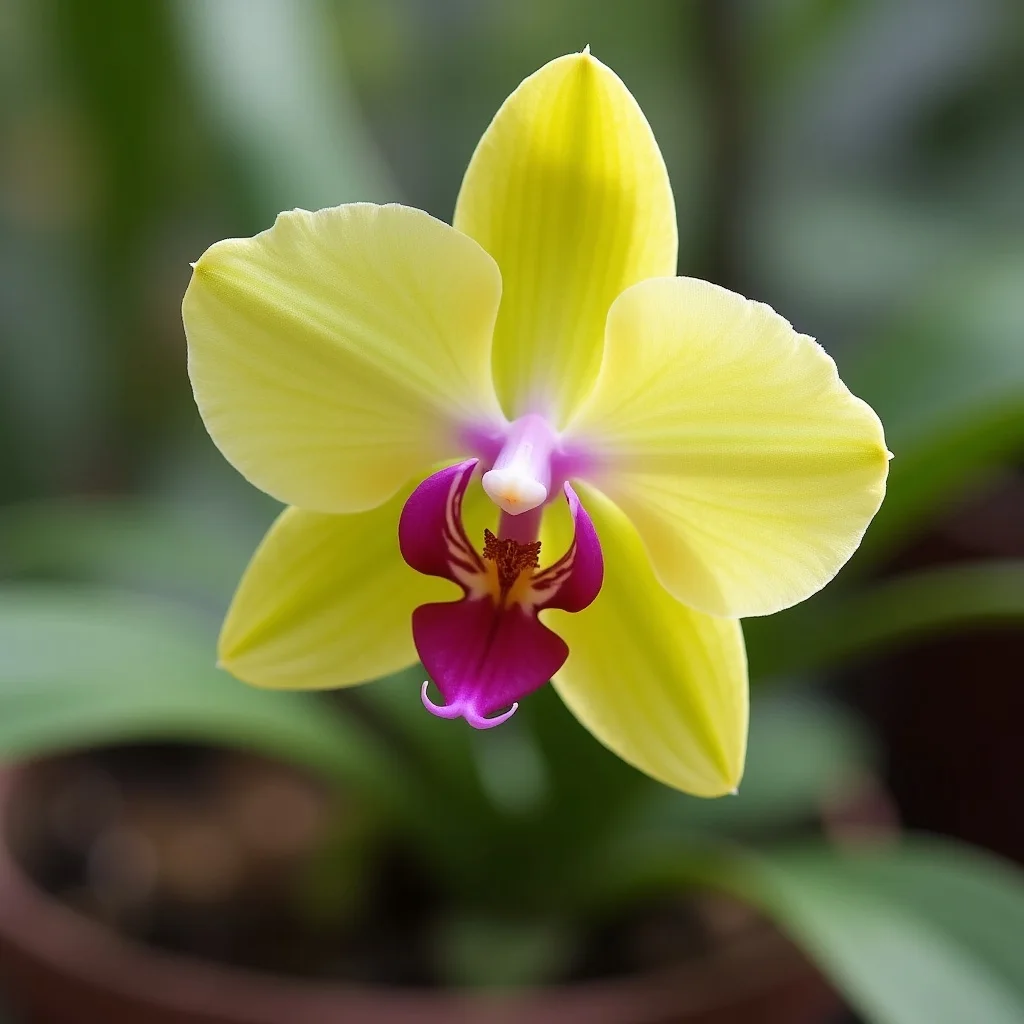
Top Signs Your Orchid Needs Repotting
Most orchids require repotting every one to two years because the growing medium breaks down and loses its structure over time. When the bark decomposes into smaller particles, it holds excess water and restricts airflow, often leading to a sour smell or mushy texture. Visible signs that the mix needs replacing include roots growing over the pot edge, yellowing foliage, or a general feeling that the plant is loose within its container.