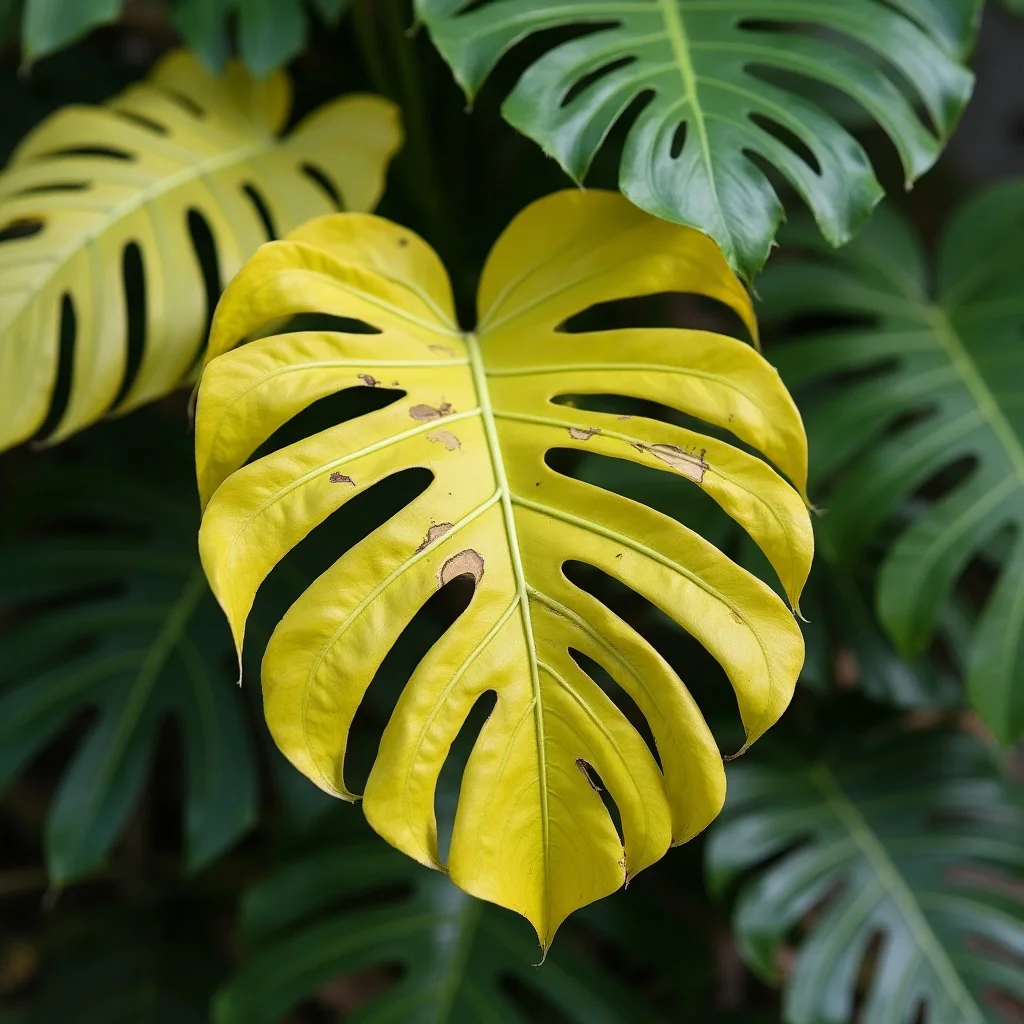
Common Causes of Propagated Monstera Leaves Turning Yellow
Sudden yellowing in propagated Monstera leaves usually signals a rapid shift in watering habits or temperature conditions. Overwatering remains the primary culprit, particularly when soil remains wet for multiple days, while underwatering also causes distinct yellowing with brown spots. Cold drafts, relocation to darker areas, or unexpected direct sunlight exposure can similarly trigger this quick discoloration across the foliage.
Common Causes for Propagated Monstera Leaves Turning Yellow
Yellowing leaves on a Monstera deliciosa often signal overwatering, which suffocates roots and causes rot in roughly 80% of UK cases. Other frequent triggers include underwatering, insufficient light, nutrient shortages, or cold drafts below 13C. While insects can occasionally contribute, they usually present with distinct signs like webbing or brown spots before affecting leaf color. Natural aging of lower foliage is also a common, non-stressful reason for discoloration.
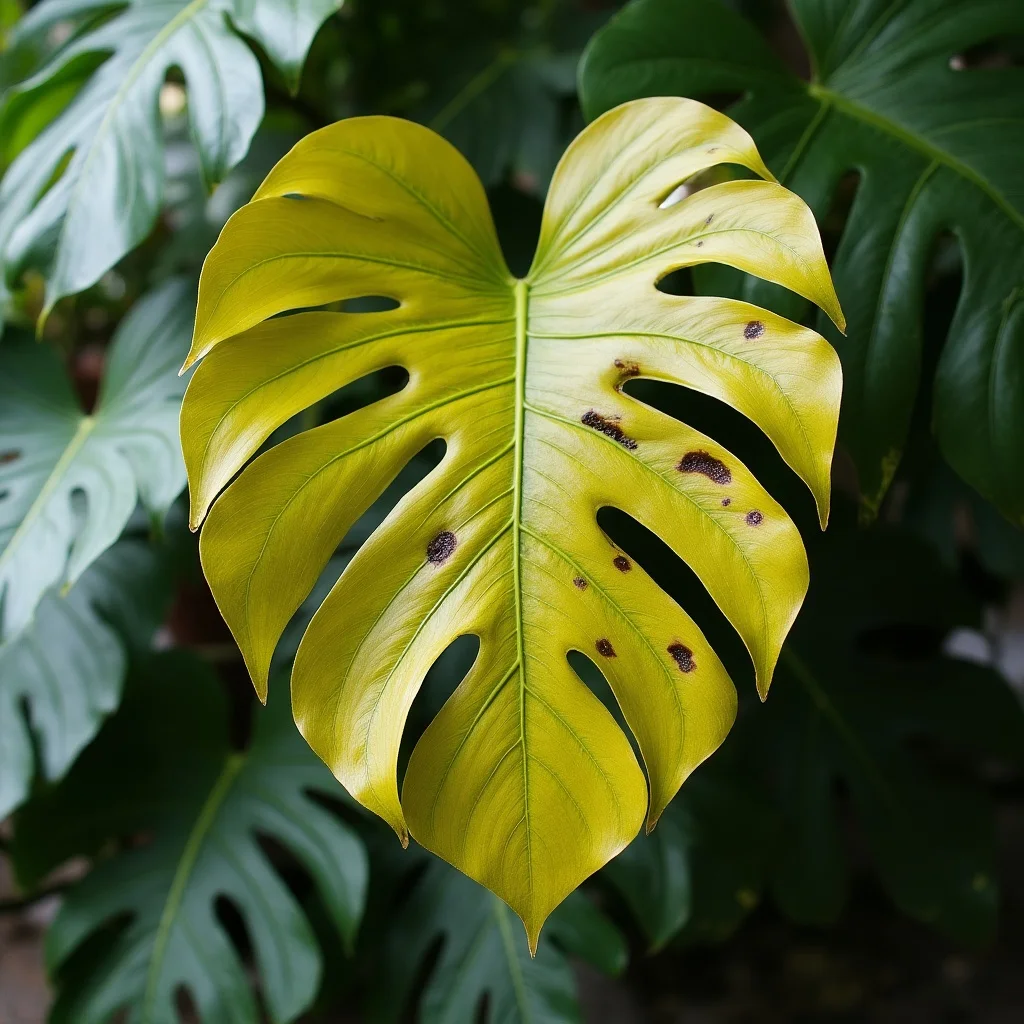
Common Causes for Yellow Propagated Monstera Leaves
Yellowing propagated Monstera leaves typically stem from overwatering, underwatering, low light, or poor drainage. These conditions often leave roots either too wet or completely dry between waterings. Other frequent causes include pest infestations, nutrient deficiencies, and root-bound conditions. Plant shock from repotting or relocation can also trigger sudden yellowing, curling, or browning of leaf edges. Addressing these specific factors usually resolves the issue.
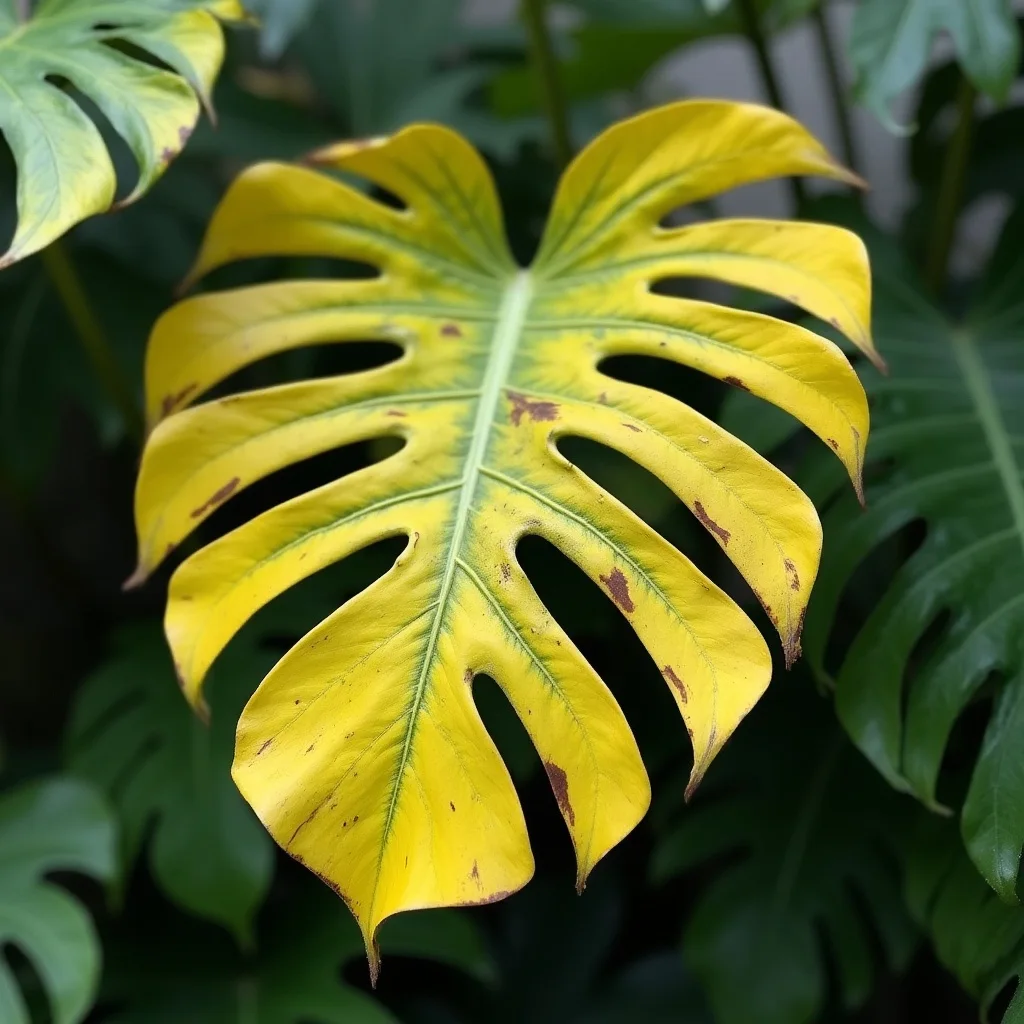
Why Propagated Monstera Leaves Turn Yellow
Yellowing propagated Monstera leaves typically signal light, water, or nutrient problems that require immediate attention. Check if the plant receives six to eight hours of bright, indirect light daily, as insufficient exposure causes chlorophyll breakdown while excessive amounts create scorched patches. Examine the watering routine carefully, since overwatering produces soft yellow leaves with potential root rot, whereas underwatering creates crispy brown edges. Specific yellowing patterns reveal exactly what is wrong and how to fix it.