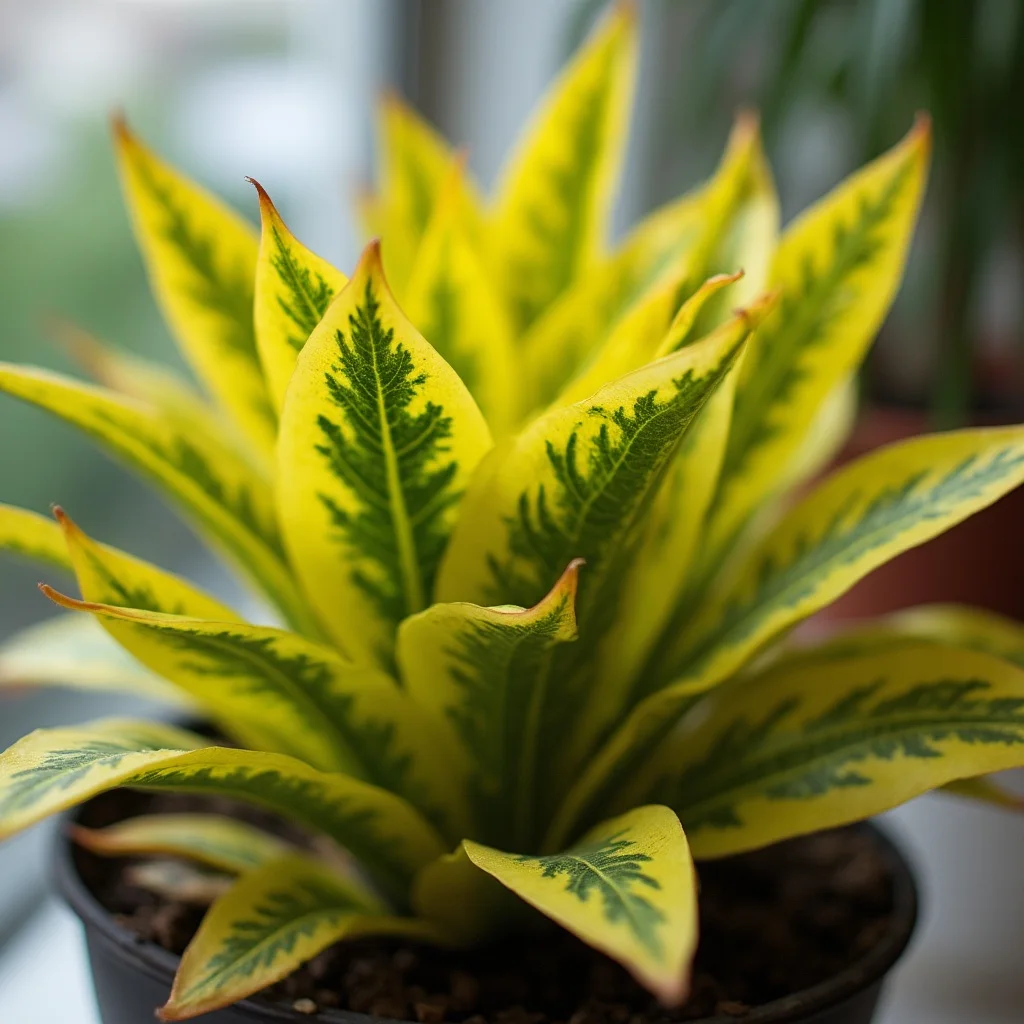
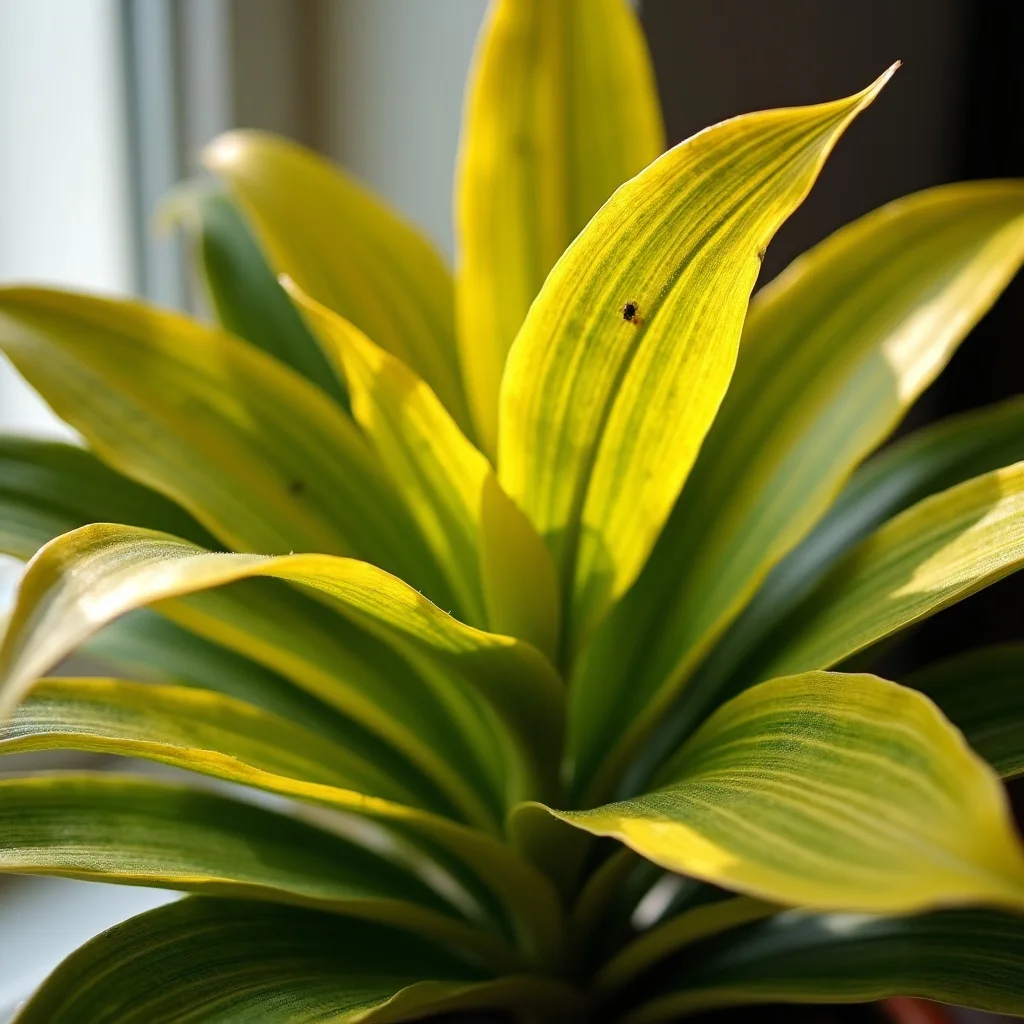
Identify Causes Like Overwatering or Poor Light
Yellowing ZZ plant leaves often signal overwatering, poor light, or nutrient deficiency rather than immediate failure. Since these plants store water in rhizomes, excess moisture frequently causes root rot that turns foliage yellow. If soil feels wet, remove the plant to inspect roots, trim rotten sections with clean tools, and repot healthy firm parts into fresh, dry, well-draining soil to restore health.
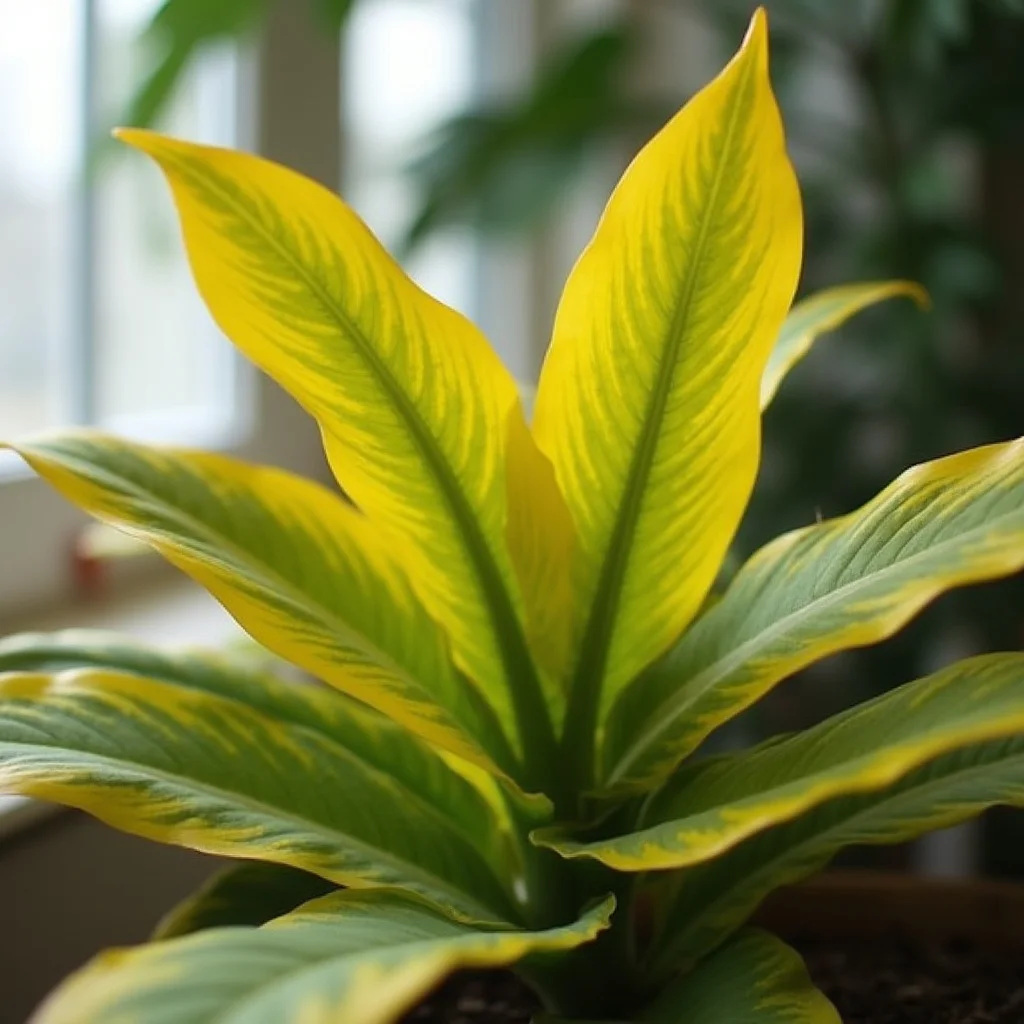
Prevent Yellow Leaves by Adjusting Watering and Drainage
Prevent yellowing ZZ plant leaves by letting the soil mix dry to at least the top half of the pot between waterings. Use a container with true drainage and avoid oversized pots to mimic a drought-tolerant routine rather than a weekly-drink tropical schedule. Lower and older leaves often show these signs first, sometimes accompanied by brown tips or drooping stems if the issue becomes severe.
ZZ Plant Yellow Leaves: 7 Real Causes (And Easy Fixes)
ZZ plant yellow leaves often signal overwatering, root rot, underwatering, direct sun, nutrient deficiency, natural aging, temperature stress, transplant shock, or pests. Evaluating the watering schedule, light exposure, and environmental temperature helps identify the specific trigger. Properly trimming damaged foliage directs the plant's energy toward healthy new growth while maintaining its overall aesthetic appeal. Addressing these factors treats the current issue and prevents future yellowing.
When to Remove Yellow ZZ Plant Leaves
Whether to remove yellow ZZ plant leaves depends on the specific cause and the plant's age. While a few yellow leaves are normal, significant yellowing often signals overwatering, as wet soil can lead to root rot. If underwatering is the issue, leaving the leaves allows the plant to use their energy for recovery. Conversely, excessive moisture requires letting the soil dry completely before watering again.
Should You Remove Yellow Leaves From Your ZZ Plant
Yellowing ZZ plant leaves often signal overwatering, poor light, or nutrient deficiencies that require attention. While drought-tolerant varieties store water in thick rhizomes and prefer dry soil between waterings, other factors like pests or temperature extremes can also cause foliage to turn yellow. If only a few lower leaves are affected while the top remains healthy, removing them is sufficient without repotting or changing the soil.