Overwatering Is the Primary Cause of Yellow ZZ Leaves
as these plants store water in thick rhizomes and handle drought far better than soggy soil. Excess moisture leads to soft roots and mushy stems, requiring immediate action to dry the soil and inspect for decay. If roots show signs of rot, repot the plant in a clean medium container to restore health. Recognizing these specific symptoms helps distinguish overwatering from other potential issues affecting the foliage.
Overwatering Causes Yellow Leaves And Root Rot
Overwatering is the most common cause of yellow ZZ plant leaves because excess moisture leaches essential nutrients from the soil. Since these plants store water in thick rhizomes, too much liquid can lead to root rot, which further triggers yellowing and brown spots with yellow halos. In mild cases, adjusting the watering schedule may help correct the issue before the plant wilts dramatically or develops smelly roots.
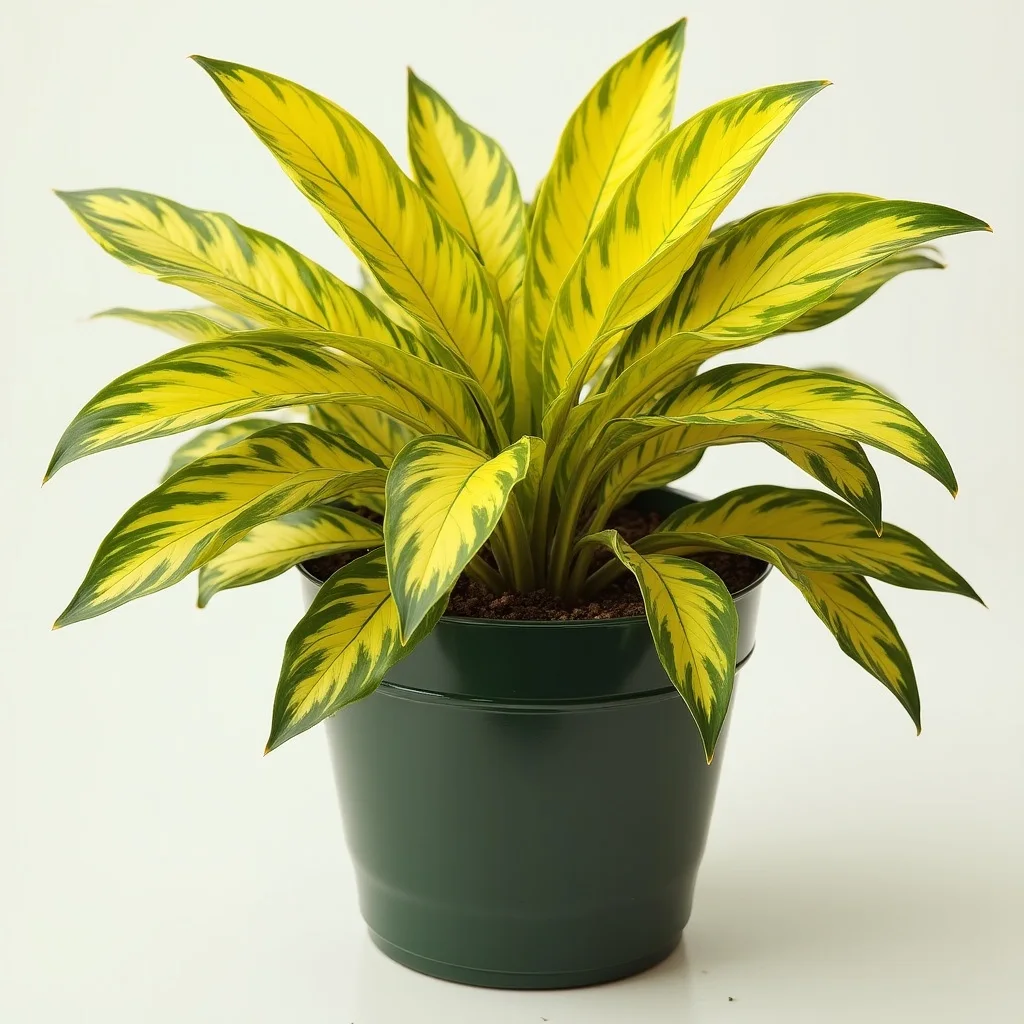
Overwatering Causes Yellow and Brown ZZ Leaves
When yellowing occurs, distinguish between excess light and moisture issues. While overwatering often triggers foliage drop and root rot, too much direct sunlight can scorch leaves and cause similar browning. If the soil remains wet too long, reduce watering frequency immediately. Ensure the pot has proper drainage holes to prevent water from pooling. Allow the soil to dry slightly between sessions to support recovery.
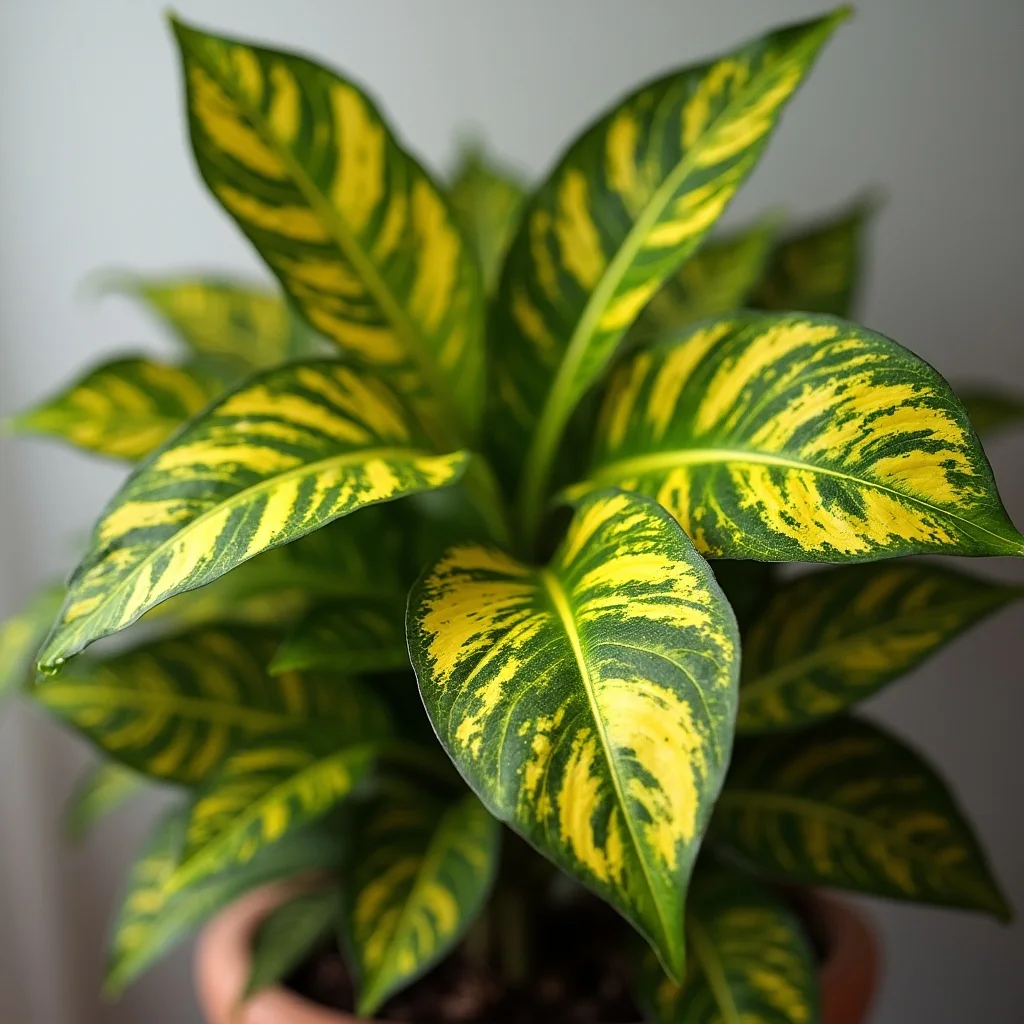
Common Causes of Yellow Leaves on ZZ Plants
When yellow leaves appear on a ZZ plant, the most frequent cause is overwatering rather than underwatering. These tropical species store moisture in thick rhizomes and dislike sitting in wet soil. While other factors like direct sun, nutrient issues, pests, or natural aging can also trigger discoloration, excess moisture remains the primary suspect. Identifying the specific trigger usually takes only a few minutes of inspection.
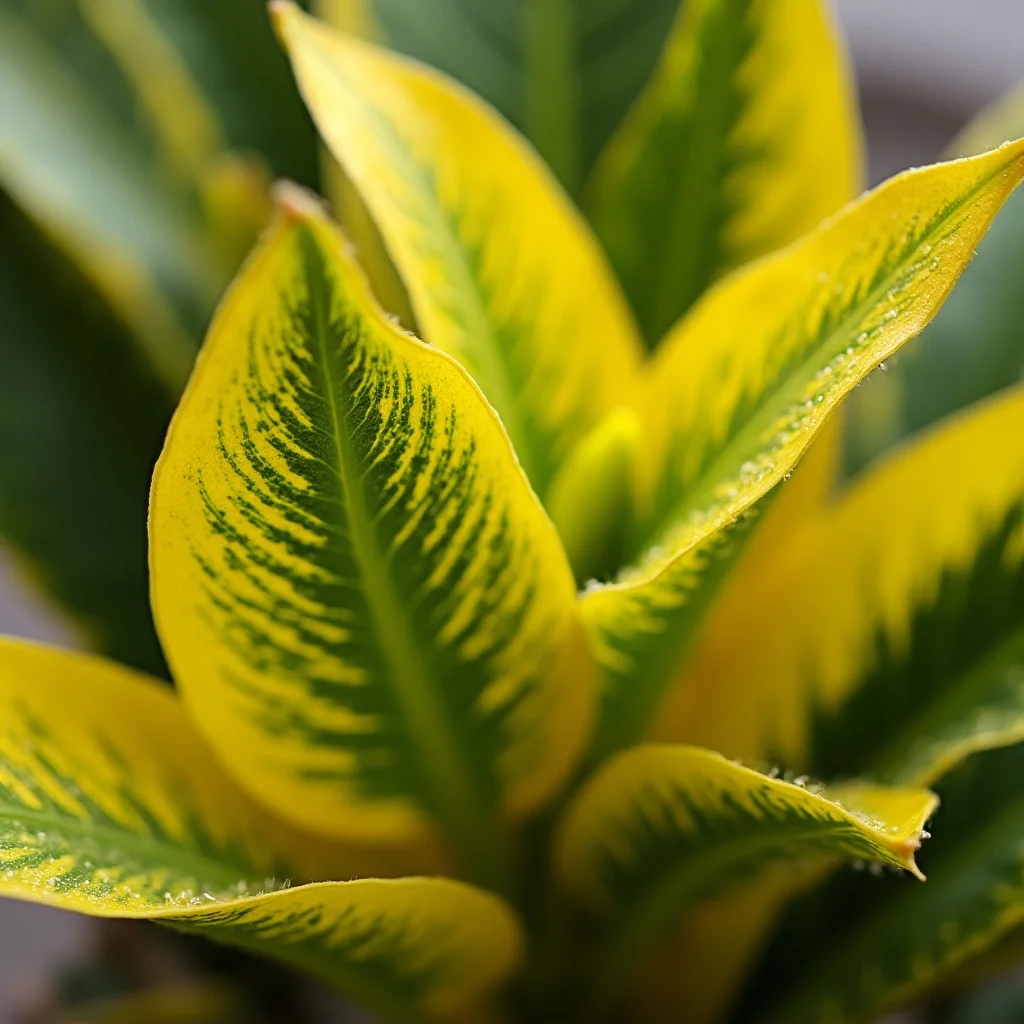
Yellowing Leaves in ZZ Plants: Symptoms, Causes, and Fixes
ZZ Plants thrive on neglect and store water in thick rhizomes, meaning they require soil to dry completely before the next watering. Overwatering is the primary driver of yellow leaves, often leading to root rot that starves foliage of nutrients. While lighting, temperature, pests, or nutrient deficiencies can also cause discoloration, improper moisture levels remain the most frequent issue requiring immediate attention for plant recovery.