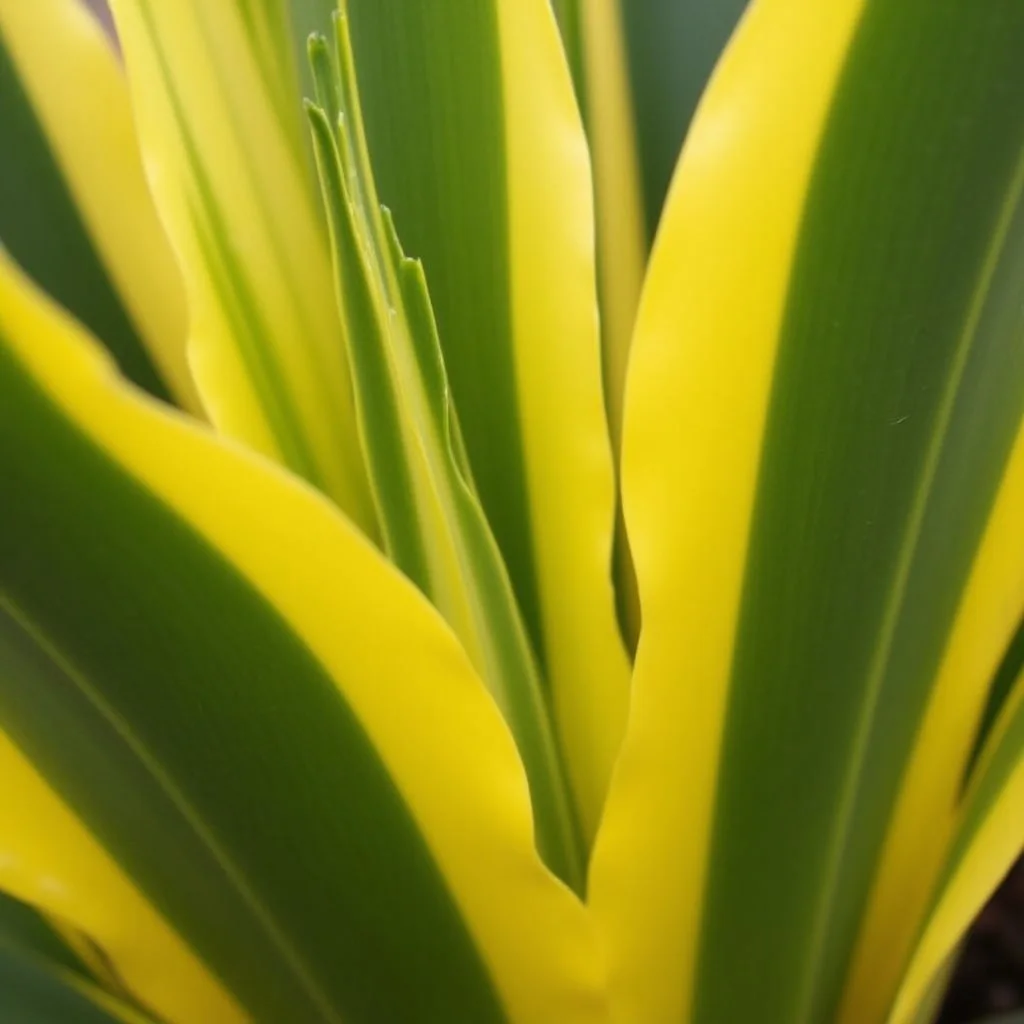
Common Causes of ZZ Plant Yellow Leaves
Common causes of yellow ZZ plant leaves involve overwatering, which damages roots and leads to rot. Evaluating the watering schedule, light exposure, and environmental temperature helps identify the specific issue. Too much water at the root zone prevents nutrient absorption, causing new growth to turn yellow. Addressing these factors treats the current problem and prevents future yellowing of the plant's foliage.
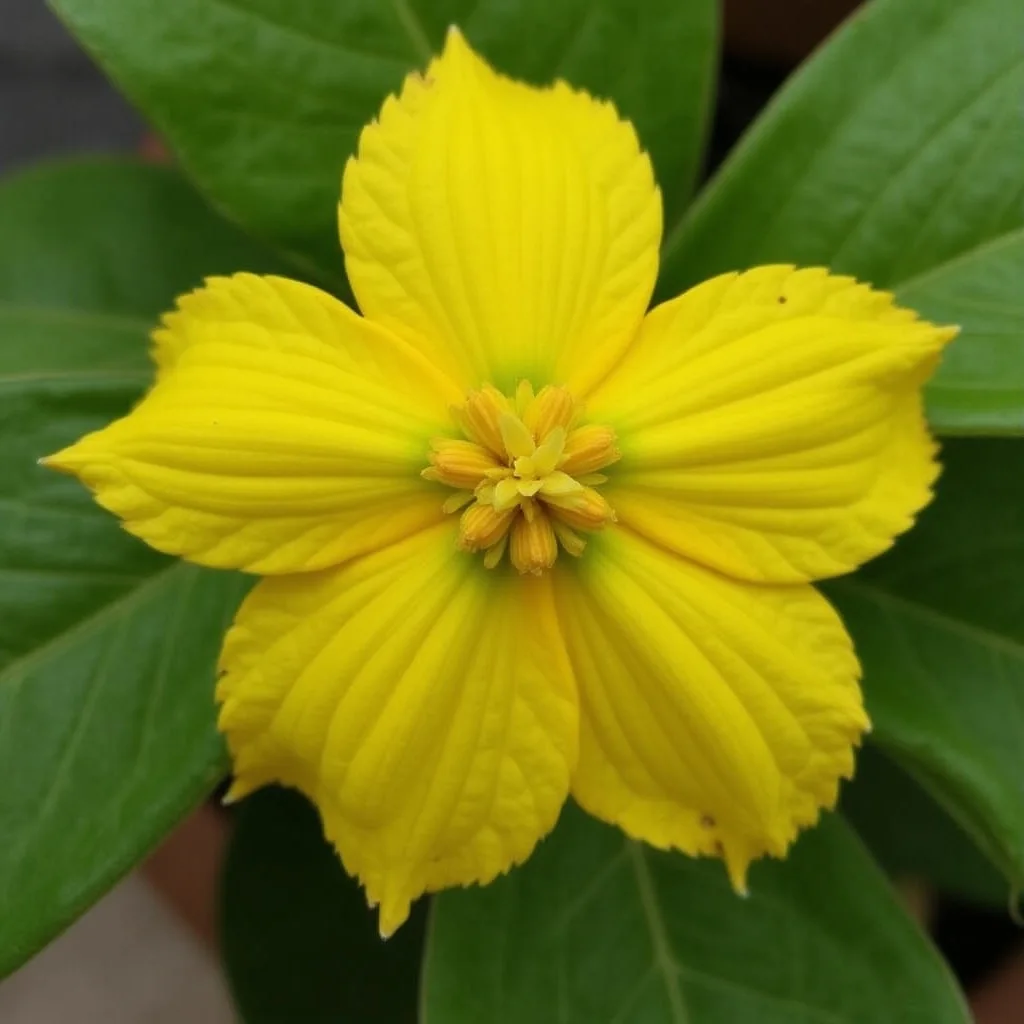
Common Causes of Yellow ZZ Plant Leaves
When yellow leaves appear on new ZZ plant growth, overwatering is the primary suspect to investigate first. These plants originate from hot, dry regions and store moisture in rhizomes, making them highly susceptible to damage when roots sit in excess water. While overwatering is the most frequent cause, other factors like root rot, underwatering, direct sun exposure, nutrient deficiency, natural aging, temperature stress, transplant shock, and pests can also trigger yellowing.
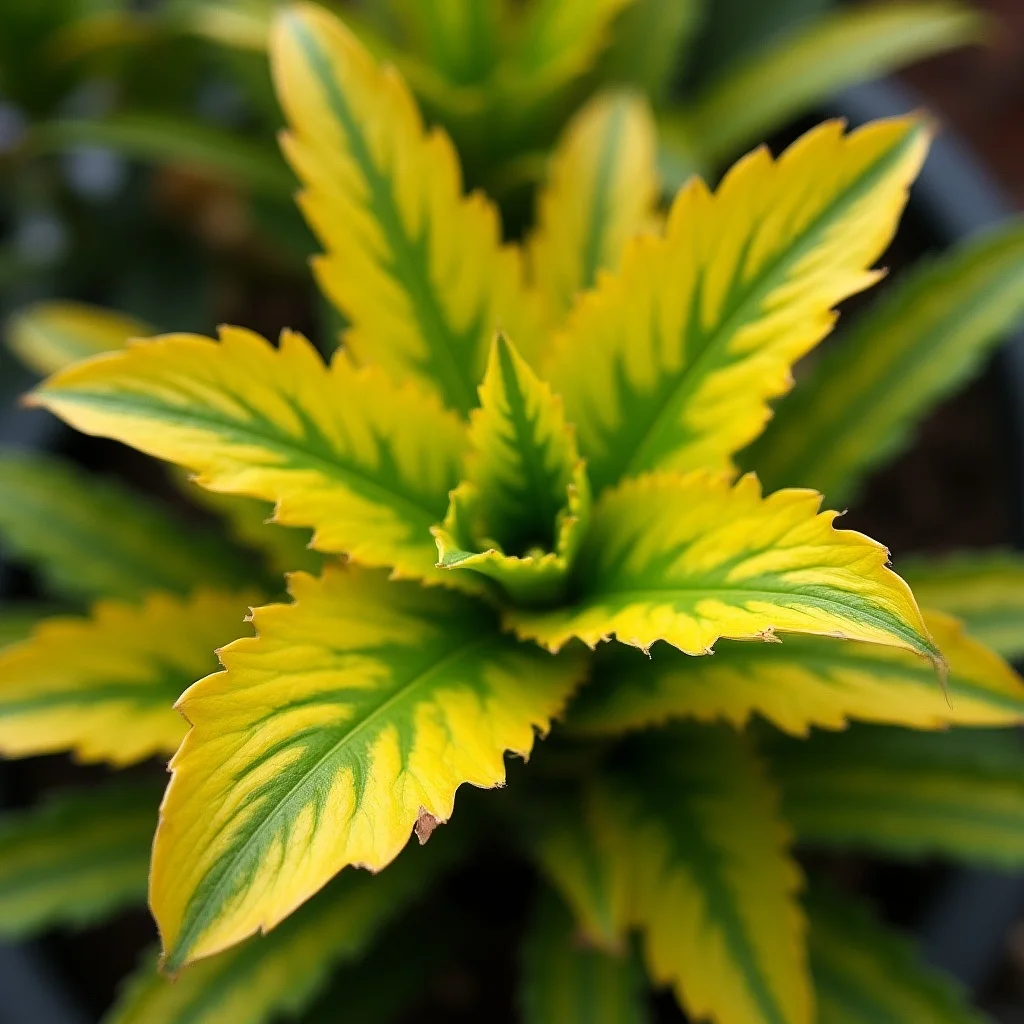
Common Causes of Yellowing ZZ Plant Leaves
Improper watering remains the primary driver of yellowing leaves on new ZZ plant growth, as these drought-tolerant species store moisture in thick rhizomes and require soil to dry completely between sessions. While rare instances of underwatering can occur if a repotted plant waits longer than four weeks before receiving moisture, most yellowing signals excess water. Adjusting frequency to match storage capacity and ensuring porous soil often triggers a return to full health.